
The most useful question before booking an electrician is not simply “how much?” It is “what work, checks and records does that price cover?” Two quotations can appear to describe the same job while allowing for different access, fittings, tests or follow-up work. Use the seven checks below to make the differences visible before anyone starts.
For domestic work in Cirencester, give every electrician the same brief: property type, postcode, problem or planned change, access constraints and any earlier electrical installation condition report. JI Electrical's service overview is a starting point for your enquiry.
Start with a one-page description of the job
You do not need to diagnose the installation yourself. Describe what you can observe and what you want to achieve. For example, “The kitchen has two double sockets and we need positions agreed before new units are fitted” is more useful than “extra electrics”. For a fault, say what stops working, when it happens, whether a protective device has tripped and whether there is visible damage. Do not remove covers or investigate live parts to gather information.
Citizens Advice's guidance for England recommends describing the work clearly before meeting traders and recording what they propose. That gives you a common basis for comparison. A photograph of a room or existing consumer unit taken without opening an enclosure can help, but it cannot replace an assessment where testing or access is needed.
For a renovation, agree the rewiring scope before plastering. For lighting or power alterations, mark proposed positions on a plan and identify fittings you intend to supply.
| Check | Ask for | Why it helps |
|---|---|---|
| 1. Suitable experience | Who will do this type of work and who will test it? | General installation and specialist testing can require different competence. |
| 2. Current registration | Scheme name and registration details, if a scheme route is proposed | You can verify the claim independently and check the work category. |
| 3. Written scope | Included circuits, fittings, access and exclusions | It shows whether two prices cover the same job. |
| 4. Insurance | Current cover relevant to the job | It lets you check a claim before the work begins. |
| 5. Approval and records | Notification route, testing and certificates | You know what paperwork to expect at handover. |
| 6. Access and disruption | Power interruption, working areas and making good | You can prepare the property and coordinate other trades. |
| 7. Changes and payment | How extra work is agreed and when payment falls due | A newly found defect does not become an unexplained bill. |
1. Is the electrician suitable for this particular work?
Ask who will attend, who supervises any team member and who is responsible for inspection and testing. A person may be experienced with lighting alterations but need different knowledge or equipment for a complex inspection, EV charging system or commercial installation. The Health and Safety Executive's electrical FAQ says competence depends on the work and that inspection and testing normally call for more knowledge than basic installation tasks.
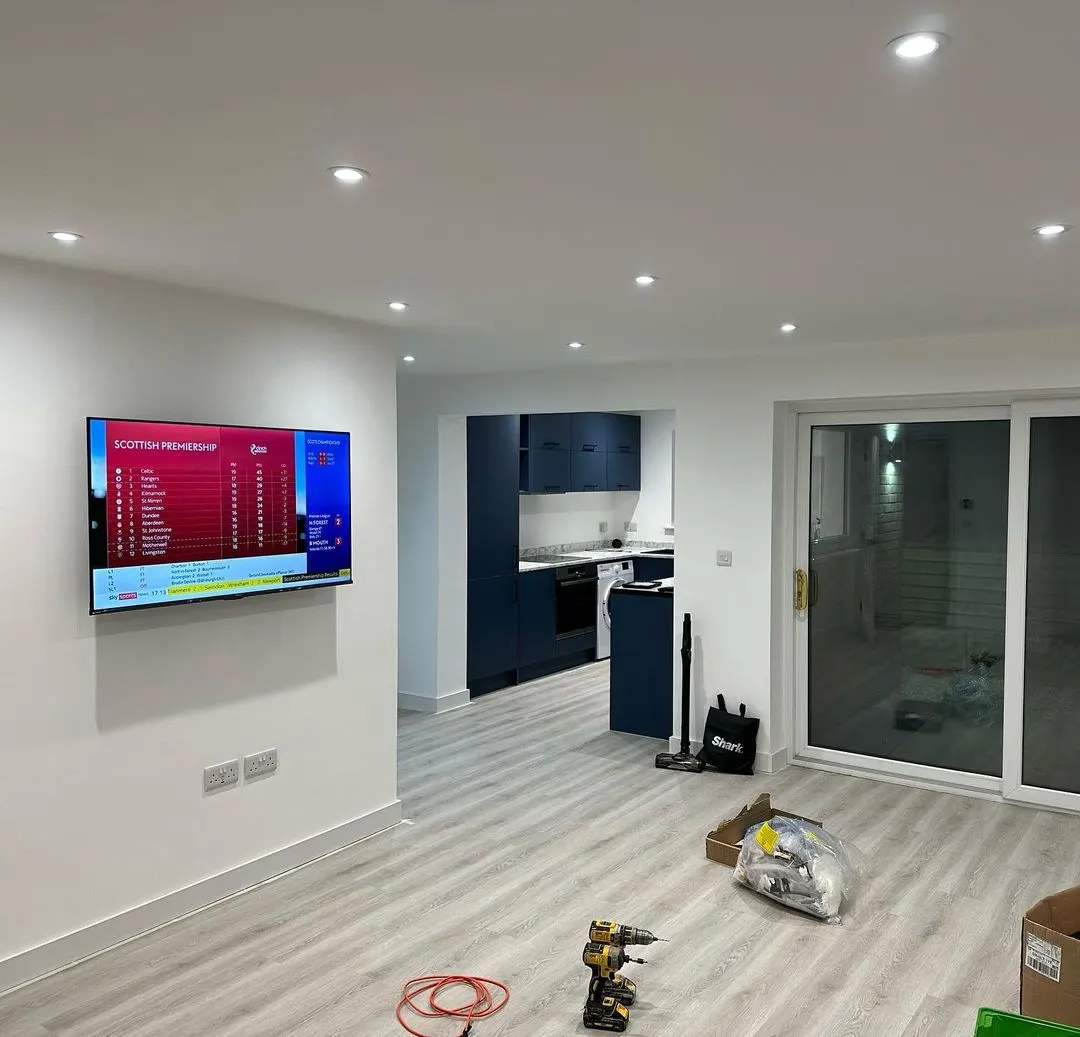
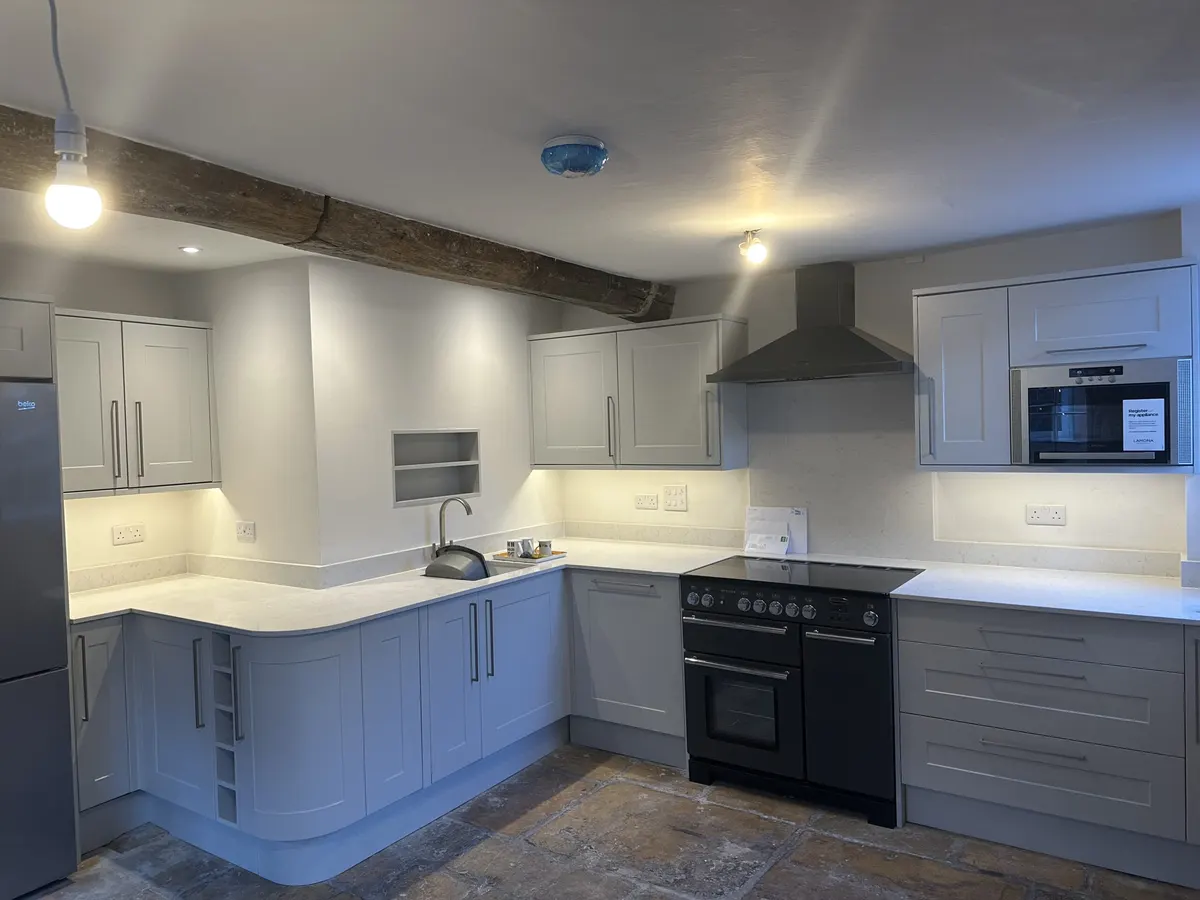
Ask for a recent example of similar work. JI Electrical's project gallery shows completed projects, though a photo cannot prove how a circuit was tested. For a rewire, ask how the parts staying in service will be assessed. For a consumer unit upgrade, ask about pre-work checks.
2. Can you verify the registration being claimed?
If an electrician says they are registered with a competent person scheme, check the current entry by company name or postcode on the Electrical Competent Person Register. The register distinguishes installers who carry out installation or remedial work from those listed for electrical safety reports. Ask the business which registered entity and scope apply to your job, especially if the name on the quotation differs from a trading name.
A scheme logo on a van, website or old document is a prompt to check, not proof of current status. GOV.UK explains the scheme route: for work within their registration, an installer may self-certify compliance and notify the local authority when required. Other lawful routes exist through Building Control. Registration is not a shortcut for assessing whether a proposed design is suitable for your property.
Not every job is notifiable. Electrical Safety First recommends checking registration and obtaining written quotations for more than minor work.
3. Does the written quotation define the scope?
A useful quotation identifies the rooms, circuits, accessories and equipment included. It should say who supplies fittings, whether existing items will be reused, and what happens if old wiring or another defect prevents the proposed work from being completed as first described. For an EV charger, the route for the cable, charger model, supply assessment and any network-operator steps may matter. For a socket or lighting change, surface finishes and making good can matter just as much to the homeowner.
Ask whether the document is a quotation for a defined scope or an estimate pending investigation. Citizens Advice distinguishes a quote from an estimate and recommends a written breakdown, VAT position, validity period and the circumstances in which the price can change. If the job cannot be priced fully until testing, ask what the initial investigation covers and how the later repair will be agreed.
If scopes differ, ask each electrician the same follow-up questions before comparing totals.
Ready to compare quotes?
Start with the same written brief
Tell Jack what you want done, what access is available and any deadline. He can explain the next step for your property.
Ask for a quoteCall 07380 944864
4. What insurance and practical safeguards apply?
Ask to see current insurance details relevant to the business and the work. Do not assume a badge proves the extent of cover. Citizens Advice advises checking the trader's insurance before accepting home-improvement work. If work affects a listed property, shared building or business premises, ask whether the insurer needs to know about that context.
Ask who protects floors, what needs clearing, who makes good plaster or decoration, and whom to contact if an issue appears afterwards.
5. Which approvals, tests and certificates will follow?
Electrical work in an English dwelling must meet Part P of the Building Regulations, but separate notification depends on the type of work. Approved Document P explains the notification categories and the information that should be supplied. GOV.UK's exemptions guidance says many repairs and changes to existing circuits do not need a separate approval application. A new circuit, replacement consumer unit or work around a bath or shower can require notification. Ask which applies rather than relying on a blanket claim.
For notifiable work, agree who will notify and what Building Regulations compliance record you will receive. GOV.UK says that where a registered competent person carries out the relevant work under their scheme, the homeowner receives a compliance certificate within eight weeks of completion. If a different approval route is proposed, have it explained before accepting the quotation.
Also ask what electrical inspection, testing and certificate apply to the work itself. A condition report assesses an existing installation; it is not interchangeable with the installation certificate for new work. Keep both, where relevant, with the property records. If an inspection finds a separate problem, ask for the observation and proposed remedy in writing before treating it as part of the original price.
6. What access, interruption and making good are expected?
Ask which rooms, roof spaces or outside areas need access and whether circuits or the whole supply will be off. A power interruption may affect work from home, refrigeration, alarms and medical equipment. Tell the electrician about critical equipment before a programme is agreed. Occupied homes also need a clear plan for pets, children, keys and safe working space.
For renovation work, decide the sequence with the builder or kitchen installer. Electrical first fix needs to happen before some finishes go on, while the final connection and testing happen after fittings are installed. The rewiring guide explains why timing matters when old and new wiring meet. In an older property, ask how proposed cable routes will affect existing finishes; do not assume that all making good is included.
If several changes are planned, put them in one brief so the electrician can identify shared circuit work and separate quotations.

7. How will changes and payment be agreed?
Even a careful assessment cannot reveal every concealed defect. The important question is what happens when something unexpected is found. Ask for a description of the issue, the options, the extra price and any change to timing before authorising further work. Keep the revised agreement in writing. The Citizens Advice guide recommends recording the work, price and payment terms so each side can see what was agreed.
Agree deposit or stage payments against clear milestones. If a warranty is offered, request the written terms, provider and exclusions; do not infer them from a logo or review.
A worked comparison: same room, different quotations
Imagine two quotations for adding kitchen sockets during a refit. Both mention four outlets. One includes a new circuit if testing shows it is needed, the supply of matching accessories, electrical testing and a defined allowance for chasing. The other assumes the existing circuit is suitable, says nothing about finishing work and excludes any plaster repair. The lower total might still be right for the property, but the homeowner cannot tell until those assumptions are resolved.
Use the scorecard above to ask: is the existing circuit being assessed, who supplies accessories, who coordinates with the kitchen fitter, what paperwork follows and who repairs the wall? Then compare the revised scopes. This is more useful than trying to identify a “best electrician” from a star rating alone. You can read how JI Electrical handles broader lighting and power changes or look at its work photographs before sending a brief.
Ask about electrical work in Cirencester
For a quotation from JI Electrical, send your Cirencester or Cotswolds postcode, the property type, what you want changed or investigated and any useful report or safe photograph. Use the contact page or call with the details. Jack can confirm whether the work is within his scope, how it would be assessed and what information he needs before a price is agreed.
Customer reviews
What customers say about Jack
Very happy to recommend Jack. He's highly efficient, professional and straightforward to work with.
He replaced the fuse board efficiently, providing all the required certifications within a day.
Work done to a high standard, areas left clean and super polite along with his colleague, Freddie.
Quick answers
Questions before you book
How can I check an electrician's registration in Cirencester?
Search the Electrical Competent Person Register by company name or postcode, and check that the registration covers the work you need. Ask the electrician to confirm the current scheme and registration details.
Do I need three electrical quotes?
There is no universal requirement to obtain three. Electrical Safety First and Citizens Advice recommend comparing written quotations for more than minor work. Give each electrician the same brief so the scopes can be compared.
Does every electrical job need Building Regulations notification?
No. In England, some repairs and changes to existing circuits do not need a separate approval application, while work such as replacing a consumer unit or installing a new circuit is notifiable. Check the actual scope against current Approved Document P.
What should I receive after electrical work?
Ask before booking which inspection, test results and electrical certificate apply to the work, and whether a separate Building Regulations compliance certificate will follow. Keep all records with the property paperwork.
Sources
- Electrical Safety First: Choosing a registered electrician, checked 25 September 2026.
- Electrical Competent Person Register: Find or check an electrician, checked 25 September 2026.
- GOV.UK: Use a competent person scheme, checked 25 September 2026.
- GOV.UK: When you do not need Building Regulations approval, checked 25 September 2026.
- GOV.UK: Electrical safety, Approved Document P, checked 25 September 2026.
- Citizens Advice: Before you get work done on your home (England), checked 25 September 2026.
- Health and Safety Executive: Electricity FAQs, checked 25 September 2026.